Debtors' prison

Definition and stakes

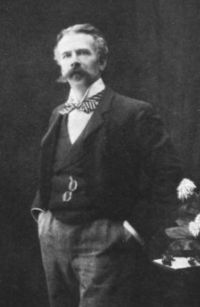
Portrait of Walter Besant Walter Besant,  Fifty Years Ago

“ The Debtors’ Prison is gone, and the world is the better for its departure. Nowadays the ruined betting-man, the rake, the sharper, the profligate, the fraudulent bankrupt, have no prison where they can carry on their old excesses again, though in humbler way. ”

Source: Gutenberg

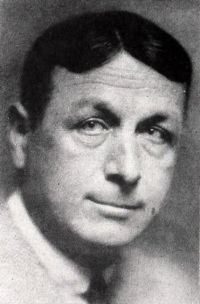
Portrait of Walter Besant Walter Besant,  South London

“ There would be no more credit, no more confidence, if the debtor could not be imprisoned. Trade would be destroyed. The Debtors' Prison was a part of trade. It is fifty years and more since the power of imprisoning a debtor for life was taken from the creditor: yet there is as much credit as ever, and as much confidence. To a trading community such as ours it seems, naturally, that the injury inflicted upon a merchant by failing to pay his just claims is so great that imprisonment ought to be awarded to such an offender. ”
Source: Gutenberg

Arthur Griffiths,  Non-Criminal Prisons

“ The poor side of a debtor’s prison is, as its name imports, that in which the most miserable and abject class of debtors are confined. A prisoner having declared upon the poor side, pays neither rent nor ‘chummage.’ His fees upon entering and leaving the jail are reduced in amount, and he becomes entitled to a share of some small quantities of food, to provide which a few charitable persons have from time to time left trifling legacies in their wills. ”
Source: Gutenberg

Get perspective with Kwize: daily news enlightened by great literature