Elephant hunting

Definition and stakes

J. G. Wood,  The uncivilized races of men in all countries of the world… (1875)

“ In Nepâl the natives adopt a very dangerous mode of elephant hunting. They go to the hunt on elephants, and furnish themselves with very strong ropes, one end of which is made fast to the body of the riding elephant, and the other furnished with a slip-knot, to which is attached a line, by which the noose can be relaxed. They give chase to the herd, and, selecting a suitable animal, the hunter dexterously flings the noose upon the head of the animal just behind its ears and on its brows. The elephant instinctively curls up its trunk, whereupon the noose slips fairly over its head. ”
Source: Gutenberg

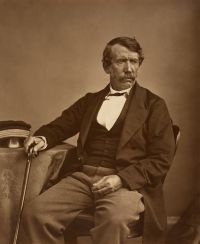
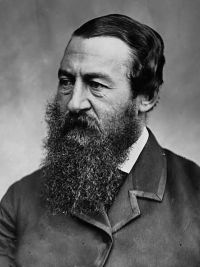
Portrait of Sir Samuel White Baker Sir Samuel White Baker,  The Albert N'Yanza, Great Basin of the Nile…

“ Once helpless in the pit, they are easily killed with lances.
The great elephant hunting season is in January, when the high prairies are parched and reduced to straw. At such a time, should a large herd of animals be discovered, the natives of the entire district collect together to the number of perhaps a thousand men; surrounding the elephants by embracing a considerable tract of country, they fire the grass at a given signal. In a few minutes the unconscious elephants are surrounded by a circle of fire, which, however distant, must eventually close in upon them.
”
Source: Gutenberg

H. G. C. Swayne,  Seventeen trips through Somáliland

“ The Midgáns, who were new to the work of attacking elephants on foot, did not quite like the prospect of going with me into the middle of the herd, so taking the four-bore, and telling them to watch from a low hill, I began creeping into the jungle alone. In thick forests the chief difficulty of elephant hunting consists in picking out the one with the best tusks, and then getting close up to it without being winded or seen by the others. ”
Source: Gutenberg

Get perspective with Kwize: daily news enlightened by great literature