Honour card

Definition and stakes

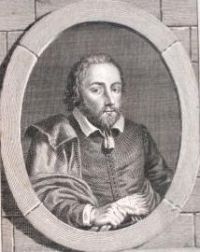
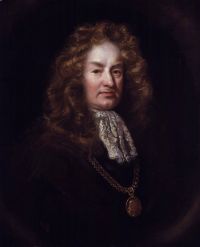
Portrait of Elias Ashmole Elias Ashmole,  The History of the Most Noble Order of the Garter

“ The Offering of Atchievements. § 3. A third Honour paid to the defunct Knight, is a most solemn Offering up his Atchievements at the High Altar; namely, the Banner of his Arms, his Sword, Helmet, and Crest, with its Mantlings; all which had been set up over his Stall at his Installation. The Ceremony of Offering these Ensigns does not appear to have been regulated at the Institution of the Order, but rather added as an additional Honour, by King Henry V. and the manner thereof set down in the fourteenth Article of his Body of Statutes. ”
Source: Gutenberg

Stanley C. Johnson,  Chats on Military Curios

“ It is ordained with a view to place all persons on a perfectly equal footing in relation to eligibility for the decoration, that neither rank, nor long service, nor wounds, nor any other circumstance or condition whatsoever, save the merit of conspicuous bravery, shall be held to establish a sufficient claim to the honour. ”
Source: Gutenberg

Charles Boutell,  The Handbook to English Heraldry

“ The Badge is an eight-rayed star bearing (on one side) the Royal Cypher and (on the other 293 side) “For faithful service,” surrounded by a wreath of laurel and surmounted by the Crown.
The Victoria Cross, of bronze, was instituted by her late Majesty Queen Victoria in 1856, to render honour to “conspicuous bravery” in actual conflict, by sea or land. This Cross, No. 440, is worn on the left breast, attached to a blue ribbon for the Navy, and to a red ribbon for the Army. A Bar is attached to the ribbon for every additional such act of bravery as would have won the Cross.
”
Source: Gutenberg

Get perspective with Kwize: daily news enlightened by great literature