Law (theology)

Definition and stakes

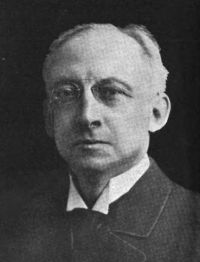
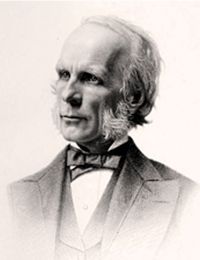
Portrait of Augustus Hopkins Strong Augustus Hopkins Strong,  Systematic Theology (Volume 2 of 3…

“ Theology, 193—“No law of God seems ever to have been arbitrarily enacted, or simply with a view to certain ends to be accomplished; it always represented some reality of life which it was inexorably necessary that those who were to be regulated should carefully observe.” The theory that law originates in arbitrary will results in an effeminate type of piety, just as the theory that legislation has for its sole end the greatest happiness results in all manner of compromises of justice. ”
Source: Gutenberg

Thomas Slater,  A manual of moral theology for English-speaking countries (1925)

“ Regularly a precept is limited in time and expires with the death or removal from office of him who gave it.
3. Laws are divine or human. Divine law is either natural or positive. The natural law is promulgated in the rational nature of man, and is a participation in human reason of the eternal law of God, which bids us observe right order, and forbids its disturbance. Positive divine law is made known by revelation.
Human law is ecclesiastical when made by the authority of the Church; municipal or civil when it is the ordinance of the civil ruler.
”
Source: Wikisource

Portrait of Henry James Sumner Maine Henry James Sumner Maine,  Ancient Law (1861)

“ What has to be determined, is whether jurisprudence has ever served as the medium through which theological principles have been viewed; whether, by supplying a peculiar language, a peculiar mode of reasoning, and a peculiar solution of many of the problems of life, it has ever opened new channels in which theological speculation could flow out and expand itself. For the purpose of giving an answer it is necessary to recollect what is already agreed upon by the best writers as to the intellectual food which theology first assimilated. ”
Source: Wikisource

Get perspective with Kwize: daily news enlightened by great literature