Nursery (horticulture)

Definition and stakes

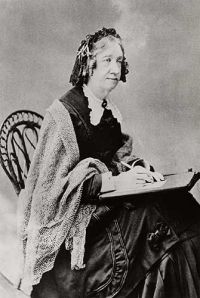
Portrait of Alice Morse Earle Alice Morse Earle,  Old-Time Gardens, Newly Set Forth

“ The first commercial nursery in America, in the sense of the term as we now employ it, was established about 1730 by Robert Prince, in Flushing, Long Island, a community chiefly of French Huguenot settlers, who brought to the new world many French fruits by seed and cuttings, and also a love of horticulture. For over a century and a quarter these Prince Nurseries were the leading ones in America. ”
Source: Gutenberg

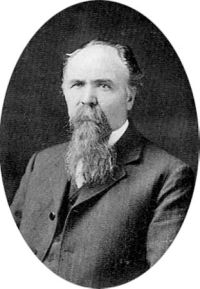
Portrait of Bolton Hall Bolton Hall,  Three Acres and Liberty

“ A highly specialized department of horticulture is that of raising young trees and plants to sell for improving grounds, planting orchards, or similar uses. The nursery business bears much the same relation to the commercial florist or orchardist as seed growing does to the market gardener.
Certain communities, through favorable soil or climate, are best adapted to the production of nursery stock. Consequently, one finds this industry most highly developed in scattered localities. It is true that people with small capital should not tackle a business so technical as this.
”
Source: Gutenberg

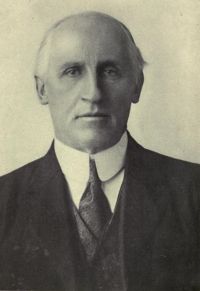
Portrait of Henry Ward Beecher Henry Ward Beecher,  Pleasant Talk About Fruits, Flowers and Farming

“ It is the practice of nurserymen to force their trees by cultivation, and by pruning. It is very well known, to those conversant with the nursery business, that great growers and early growers are the favorites (and, so far as an expeditious preparation of stock for sale is concerned, justly) , that slow and tedious growers are put upon rampant growing stocks to quicken them. In some cases manures are freely applied to the soil, as directed by all writers who teach [Pg 313] how to prepare ground for a nursery. But such writers had their eye upon the soil of England or New England. ”
Source: Gutenberg

Get perspective with Kwize: daily news enlightened by great literature