Polar exploration

Definition and stakes

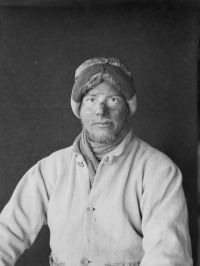
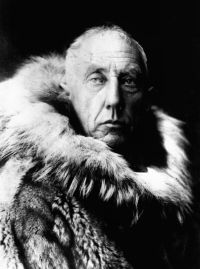
Frederick Albert Cook Through the First Antarctic Night 1898-1899 (1900)

The general advancement in the knowledge of our globe, which follows the work of polar exploration, is not at first perceived. The collective results are rearranged and interwoven with the other threads which go to make up the fabric of the various branches of natural science. Around the two poles of the earth, and particularly around the south pole, there are extensive unknown [454] regions. In these regions are hidden the finishing filaments of much exact knowledge. To seek these is the true object of polar exploration.
Source: Gutenberg

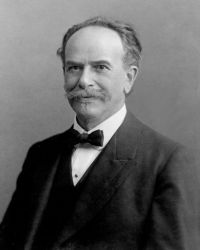
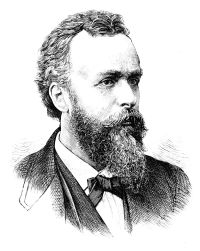
Julius Payer New lands within the Arctic circle

Yet, quite independent of material results, Polar exploration presents no unworthy object for scientific investigation—a region of the globe 120,000 square miles in extent never yet entered by man. The Polar question, as a problem of science, aims at determining the limits of land and water, at the perfecting of that network of lines with which comparative science seeks to surround our planet, even to its Poles.
Source: Gutenberg

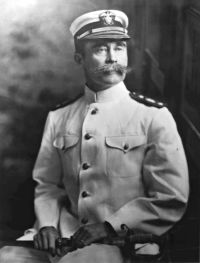
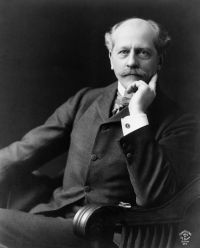
Portrait of Robert E. Peary Robert E. Peary Secrets of Polar Travel (1917)

Innumerable conversations during a number of years with all kinds of intelligent, well-read people have shown me conclusively that outside of the scientist, the geographer, and those who have made a study of polar exploration, the average person has no idea whatever of the real character of polar ice.
Source: Gutenberg

Get perspective with Kwize: daily news enlightened by great literature