Sugar planter

Definition and stakes

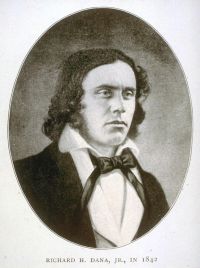
Portrait of Richard Henry Dana Richard Henry Dana,  To Cuba and Back

“ The sugar-cane allows of no shade. Therefore the groves and avenues must fall. To make its culture profitable, it must be raised in the largest possible quantities that the extent of land will permit. To attempt the raising of fruit, or of the ornamental woods, is bad economy for the sugar planter. Most of the fruits, especially the orange, which is the chief export, ripen in the midst of the sugar season, and no hands can be spared to attend to them. The sugar planter often buys the fruits he needs for daily use and for making preserves, from the neighboring cafetals. ”
Source: Gutenberg

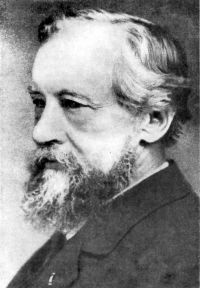
James Franklin,  The Present State of Hayti (Saint Domingo…

“ The sugar planter in the first place is so ignorant that he knows not the virtue which his soil possesses, nor what it is capable of producing. He considers [346] not whether one field is better adapted for the production of canes than another, but plants indiscriminately in bad or good soil, in heavy or light; in fact he knows not whether it ought to be planted with canes or cotton, or if it would be wise to allow it to become common pastures. He is contented, and seems to be quite satisfied, if he can but obtain vegetation in any way ”
Source: Gutenberg

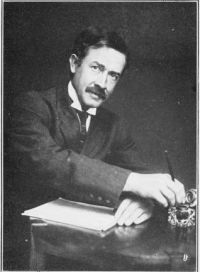
George Morrison Rolph,  Something about sugar (1917)

“ They throve extremely well and a former resident of Savannah who had moved to Louisiana and become a planter there, having heard about them, secured some for seed purposes. His experiment proved wonderfully successful and from this single estate the cultivation of the new canes spread over the entire sugar-producing region. As these varieties could stand greater cold than the Creole and the Tahiti, the planters were able to extend their growing area northward and in this way greatly increase their acreage. ”
Source: Gutenberg

Get perspective with Kwize: daily news enlightened by great literature