Summoner

Definition and stakes

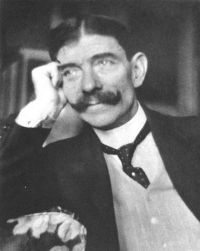
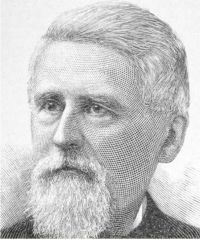
Portrait of Henry Ernest Dudeney Henry Ernest Dudeney,  The Canterbury Puzzles, and Other Curious Problems

“ The Sompnour, or Summoner, who, according to Chaucer, joined the party of pilgrims, was an officer whose duty was to summon delinquents to appear in ecclesiastical courts. In later times he became known as the apparitor. Our particular individual was a somewhat quaint though worthy man. "He was a gentle hireling and a kind; A better fellow should a man not find." In order that the reader may understand his appearance in the picture, it must be explained that his peculiar headgear is duly recorded by the poet. "A garland had he set upon his head, As great as if it were for an ale-stake." ”
Source: Gutenberg

Ranulf de Glanville,  A translation of Glanville (1900)

“ Bracton 336. b. et seq. Fleta L. 6. c. 7. Mirror, 117. et seq. 2 Inst. 125. Spelm. Cowell. Les termes de la ley, &c. &c.)
[47] In affirmance of this period of time, see Articuli super chartas, c. 15. and Lord Coke’s comment. (2 Inst. 567.) The Norman code required the same period to render a summons lawful, Grand Custum. de Norm. c. 49. See also Bracton 334. a. and Fleta L. 6. c. 6. s. 11. 12.
[48] It seems from the Regiam Majestatem, that if the summons were made by one summoner, in the presence of lawful and sufficient witnesses, it was good.
”
Source: Gutenberg

Anonymous,  The Magna Carta

“ To obtain the general consent of the realm for the assessment of an ‘aid’ - except in the three cases specified above - or a ‘scutage’, we will cause the archbishops, bishops, abbots, earls, and greater barons to be summoned individually by letter. To those who hold lands directly of us we will cause a general summons to be issued, through the sheriffs and other officials, to come together on a fixed day (of which at least forty days notice shall be given) and at a fixed place. In all letters of summons, the cause of the summons will be stated. ”
Source: Gutenberg

Get perspective with Kwize: daily news enlightened by great literature