Swarm (insect)

Definition and stakes

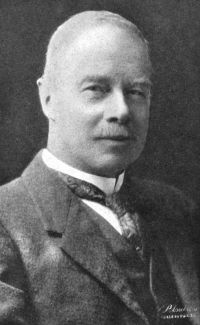
Portrait of Jean-Henri Fabre Jean-Henri Fabre,  Social Life in the Insect World

“ The lure is irresistible. None will break free from the swarm until the evening, or perhaps the next day, when the heady fumes will have evaporated. Then the units of the swarm disengage themselves from their mutual embraces, and slowly, as though regretfully, take flight and depart. At the bottom of this devil's purse remains a heap of the dead and dying, of severed limbs and wing-covers torn off; the inevitable sequels of the frantic orgy. Soon the woodlice, earwigs, and ants will appear to prey upon the injured. ”
Source: Gutenberg

Portrait of Louis Figuier Louis Figuier,  The Insect World

“ After having covered your head with a veil, if the swarm has settled in a difficult place, and you are afraid of being stung, you hold the hive under the cluster of bees and make them fall into it, either by shaking the branch to which the swarm is attached, very hard, or by means of a small broom, or even with the hand, for then they very rarely sting: it is hardly ever necessary to take any precautions in approaching them, except for swarms which have been fixed for many hours, or since the day before. ”
Source: Gutenberg

Portrait of Herbert H. Ross Herbert H. Ross,  How to Collect and Preserve Insects

“ This type of insect gradually gave rise to the orders which now contain the largest number of species, including the beetles, moths, and flies. In many lines of this neuropteroid branch, as it is called, the larva has become adapted to a mode of life quite different from that of the adult. Many fly larvae, for example, live in rotting organic material or live as parasites within the tissues of other kinds of insects, whereas the adult flies often feed at flowers on pollen and nectar, visiting the site of the larval habitat only to lay eggs. ”
Source: Gutenberg

Get perspective with Kwize: daily news enlightened by great literature