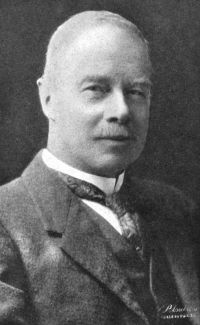
Robert Evans Snodgrass

Biographical details

Robert Evans Snodgrass,  Insects, Their Ways and Means of Living (1930)

“ The life of the periodical cicada stirs our imagination as that of no other insect does. For years we do not see the creatures, and then a springtime comes when countless thousands of them issue from the earth, undergo their transformation, and swarm into the trees. Now, for several weeks, the very air seems swayed with the mo- notonous rhythm of their song, while the business of ma- ring and egg-laying goes rapidly on; and soon the twigs of trees and shrubs are everywhere scarred with slits and punctures where the eggs have been inserted. ”
Source: Wikisource

Robert Evans Snodgrass,  Insects, Their Ways and Means of Living (1930)

“ By some feeling of impending change the rnature nymph, waiting in its chamber, knows when the time of transformation is at hand. Somehow nature regulates the event so that it will happen in the evening, but, once the hour has come, no time is to be lost. The nymph must break out of its cell, tind a suitable molting site and one in accord with the traditions of its race, and there fix itself by a tirm grip of the tarsal claws. ”
Source: Wikisource

Robert Evans Snodgrass,  Insects, Their Ways and Means of Living… (1930)

“ Yet occasionally a glimpse may be had of the musician as he plays, most frequently standing head downward, the body braced rather stiffly on the legs, the front wings only slightly elevated, the tips of the hind wings projecting a little from between them, the abdomen depressed and breathing strongly, the long antennal threads waving about in all directions. ”
Source: Wikisource

Get perspective with Kwize: daily news enlightened by great literature