Cicada

Definition and stakes

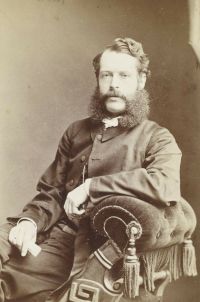
Portrait of W. Hamilton Gibson W. Hamilton Gibson,  Eye Spy: Afield with Nature Among Flowers and Animate Things

“ UNDER the popular name of "locust," our cicada, or harvest-fly, has long enjoyed the reputation as our chief insect musician, vying with the katydid in the volume of its song. We all know its long, whizzing crescendo in the sultry summer days. But let us call things by their right names. This buzzing musician is not a locust; it is a cicada. The true locust is what we ordinarily call a grasshopper, that "high-elbowed grig" of the meadows, so generous with his "molasses," and with such a vigorous kick. ”
Source: Gutenberg

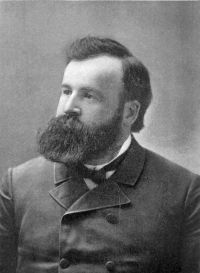
Portrait of Jean-Henri Fabre Jean-Henri Fabre,  Fabre's Book of Insects

“ The greater the heat, the better my chances of success. What gives me torture fills the insect with delight; what prostrates me braces the Fly.
The road shimmers like a sheet of molten steel. From the dusty, melancholy olive-trees rises a mighty, throbbing hum, the concert of the Cicadæ, who sway and rustle with increasing frenzy as the temperature increases. The Cicada of the Ash adds its strident scrapings to the single note of the Common Cicada.
”
Source: Gutenberg

Portrait of James Sibree James Sibree,  A naturalist in Madagascar (1915)

“ Bivouacked in some open glade, through which a small stream creeps lazily along, with a warm cheering fire to keep off the dew and chill of the night, one gains a quite different knowledge of the forest from that which one gets in the daytime, for all nature is not asleep even in the midnight hour. Just as darkness is setting in the fireflies with their tiny lanterns flit about among the bushes; and the cicada, of various species, perched on the trunks of trees, commence their strange song. They are small in size, but certainly they make a big din. ”
Source: Gutenberg

Get perspective with Kwize: daily news enlightened by great literature