The housefly, a familiar member of the Diptera order, has long captured the attention of scientists and writers alike, owing to its widespread presence and influence on ecosystems. Although frequently criticized for spreading diseases such as typhoid and dysentery—its role as a pathogen carrier is well-established in Popular Science Monthly—writers have also delved into its biological behaviors and ecological interactions.
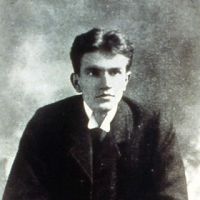
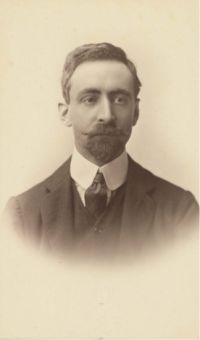
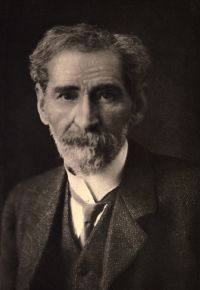
Jean-Henri Fabre described its susceptibility to wasps, while Neltje Blanchan investigated its contribution to pollination, and George Hurlstone Hardy examined its reproductive patterns in both urban and rural areas. These diverse viewpoints highlight the fly’s dual character as both a pest and an inadvertent participant in ecological processes, illustrating its intricate relationship with human habitats.
 Jean-Henri Fabre,
The Hunting Wasps
(1916)
Jean-Henri Fabre,
The Hunting Wasps
(1916)