Gnat

Definition and stakes

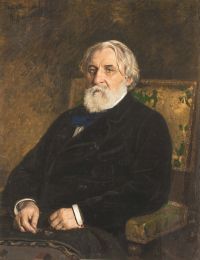
Portrait of Ivan Sergeevich Turgenev Ivan Sergeevich Turgenev,  A House of Gentlefolk

“ Something from behind the nettles chirps with a shrill, shrill little note; a gnat seems to answer it. Now it has ceased, but still the gnat keeps up its sharp whirr; across the pleasant, persistent, fretful buzz of the flies sounds the hum of a big bee, constantly knocking its head against the ceiling; a cock crows in the street, hoarsely prolonging the last note; there is the rattle of a cart; in the village a gate is creaking. ”
Source: Gutenberg

Samuel Butler,  Evolution, Old & New

“ And yet the changes which many of them undergo in their early state to that of their maturity, are as different as one animal can be from another. As those of the gnat, which passes his early state in water, and then stretching out his new wings and expanding his new lungs, rises in the air; as of the caterpillar and bee-nymph, which feed on vegetable leaves or farina, and at length bursting from their self-formed graves, become beautiful winged inhabitants of the skies, journeying from flower to flower, and nourished by the ambrosial food of honey. ”
Source: Gutenberg

Arabella B. Buckley,  The Fairy-Land of Science

“ Do you know why we hear a buzzing, as the gnat, the bee, or the cockchafer fly past? Not by the beating of their wings against the air, as many people imagine, and as is really the case with humming birds, but by the scraping of the under-part of their hard wings against the edges of their hind legs, which are toothed like a saw. The more rapidly their wings move the stronger the grating sound becomes, and you will now see why in hot, thirsty weather the buzzing of the gnat is so loud, for the more thirsty and the more eager he becomes, the wilder his movements will be. ”
Source: Gutenberg

Get perspective with Kwize: daily news enlightened by great literature