Timber framing

Definition and stakes

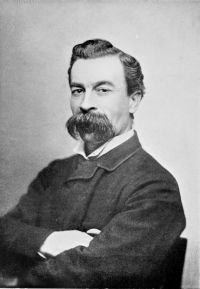
George Athelstane Thrupp,  The History of Coaches

“ The body-maker then proceeds to smooth one side of the pieces of wood and frame them together. It is unnecessary here to give further details of framing the body, it is sufficient to say that the chief timbers are called the bottom sides; upon them all the superstructure is raised, and upon their stability all depends; they are, therefore, of stout timber, and generally strengthened with iron plates several inches wide, and from a quarter to three-quarters of an inch thick. ”

Source: Gutenberg

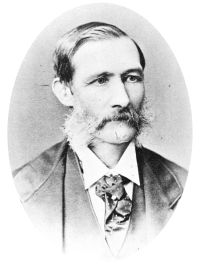
Harold Donaldson Eberlein,  The Architecture of Colonial America

“ All about was the greatest abundance of the finest pine, cypress, cedar, oak, chestnut, hickory, elm and ash timber which fully answered for all structural needs and the feather-edged plank or clapboard, nailed to the framing of posts, studs, girts and cills was in common use for building purposes. It was probably owing to the absence of stone and the comparative scarcity of bricks at an early date that we do not find evidences of attempted half-timber construction with clay and brick or clay and stone pugging as we do in New England at the same period. ”
Source: Gutenberg

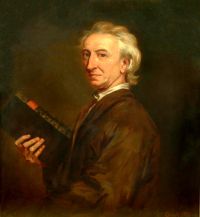
Portrait of Andrew Ure Andrew Ure,  A Dictionary of Arts, Manufactures and Mines

“ The timbering of shafts varies in form, as well as that of galleries, according to the nature and the locality of the ground which they traverse, and the purposes which they are meant to serve. The shafts intended to be stayed with timber are usually square or rectangular, because this form, in itself more convenient for the miner, renders the execution of the timbering more easy. The wood-work consists generally of rectangular frames, the spars of which are about eight inches in diameter, and placed at a distance asunder of from a yard to a yard and a half. ”
Source: Gutenberg

Get perspective with Kwize: daily news enlightened by great literature