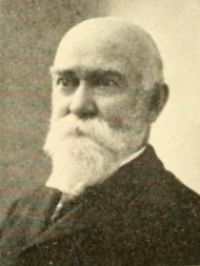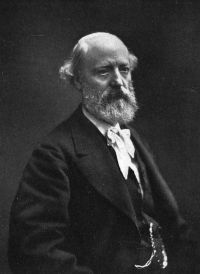
Eugène-Emmanuel Viollet-le-Duc

Biographical details

Portrait of Eugène-Emmanuel Viollet-le-Duc Eugène-Emmanuel Viollet-le-Duc,  Annals of a Fortress

“ At break of day the Brenn had the prisoners brought before him. Two or three of them spoke the language of the valley, but with a foreign accent.
Clothed in drawers laced around, and a tunic of undyed wool, with a broad strap which served them for a girdle, they looked not unlike some of those merchants who occasionally came into the valley to barter yellow amber and bronze for corn, cheese, tanned hides, and wool. "Why do you come to attack us?" said Sigild. "We have been driven from the lands we have inhabited from the most ancient times, by hordes from the north.
”

Source: Gutenberg

Portrait of Eugène-Emmanuel Viollet-le-Duc Eugène-Emmanuel Viollet-le-Duc,  How to build a house (1874)

“ You ought not to be ignorant of what has been done before you,—it is an accumulation for the common good, a possession secured to mankind. You ought to be acquainted with its existence and value; but, as a partner in its advantages, add your store of intelligence; make a step in advance, do not retrograde.’ But observe: there is only one means of preventing retrogression in architecture, and that is making art the faithful expression of the requirements of the time in which we live,—making the building a casing suited to that which it is destined to contain. ”
Source: Gutenberg

Portrait of Eugène-Emmanuel Viollet-le-Duc Eugène-Emmanuel Viollet-le-Duc,  Annals of a Fortress

“ The bodies of the slain and the faggots had filled the ditch for the length of a hundred paces, and the loosened stakes formed but a slight protection to the defenders. The noise of the attack brought a great number of women hurrying to the spot. They might be seen with bare arms, raising stones above their heads, and hurling them with shrill cries against the breasts of the assailants, or despatching the wounded that had fallen inside the intrenchment with the culinary wooden pestles used for pounding herbs and flesh in hollow stones. ”
Source: Gutenberg

Get perspective with Kwize: daily news enlightened by great literature