Oppidum

Definition and stakes

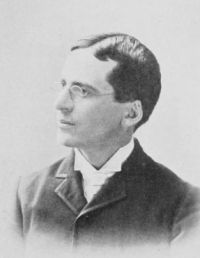
Portrait of George Willis Botsford George Willis Botsford,  The Roman assemblies from their origin to the end of the Republic (1909)

“ A pagus became a populus at the point of time when it asserted its political independence of the folk. The new state organized itself in tribes and curiae after the pattern of the folk. In the main this arrangement [7] was artificial, yet it must have taken some account of existing ties of blood. [33] At the same time the oppidum became an urbs [34] —a city, the seat of government of the new populus. Thus arose the city-state. In the case of Rome several oppida with parts of their respective pagi [35] were merged in one urbs—that known as the city of the four regions. ”
Source: Gutenberg

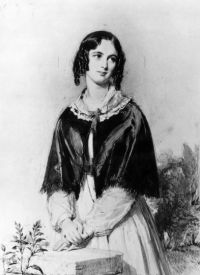
Portrait of Anthony Trollope Anthony Trollope,  The Commentaries of Cæsar

“ Cassivellaunus, who is himself but a usurper, and therefore has many enemies at home, endeavours to make himself secure in a strong place or town, which is supposed to have been on or near the site of our St Albans. Cæsar, however, explains that the poor Britons give the name of a town,—“oppidum,”—to a spot in which they have merely surrounded some thick woods with a ditch and rampart. Cæsar, of course, drives them out of their woodland fortress, and then there quickly follows another surrender, more hostages, and the demand for tribute. ”
Source: Gutenberg

Mary Roberts,  Ruins and Old Trees, Associated with Memorable Events in English History

“ The abbot, who presided in regal state; the brotherhood, in their cowls and gowns; learned men, who studied in their quiet cells, and the busy comers and goers, who worked either in the abbey-fields, or performed such menial labours as the condition of the place required—not a trace of them remains: even the stately monastery is in ruins, but the yew-trees still cast the shadow of their noble branches on the grassless floor of red-brown hue. ”
Source: Gutenberg

Get perspective with Kwize: daily news enlightened by great literature