Traverse (military)

Definition and stakes

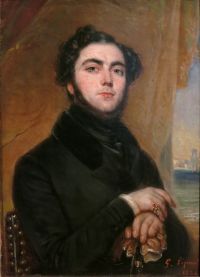
Portrait of Eugène Sue Eugène Sue,  The Sword of Honor; or, The Foundation of the French Republic

“ The batteries of artillery had commenced to disgorge through the Great Rock gate when the bourgeois guard which was in line halted, and, deploying before its banner, advanced, with leveled guns and quickened pace, upon the multitude, which recoiled before it. At the same instant the cavalry entered at a rapid trot by the gate near the Military School, while the other column poured in by the bridge over the Seine. ”
Source: Gutenberg

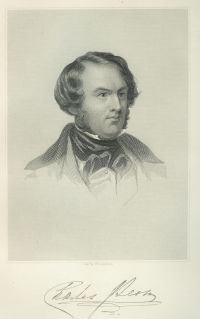
Baron Max Aitken Beaverbrook,  Canada in Flanders, Volume II

“ The whole of this line from the Canadian communication trench to Campbelltown Corner consisted of German communication, or second and third line, trenches, which had been battered in turn by the guns of both sides.
[2] A traverse is the projection of earth back into the firing trench which divides it into sections or firing bays. Its object is to give cover against flank fire, so that if an enemy enfilades you he cannot sweep right down the length of the trench. A trench without traverses is therefore very dangerous.
”
Source: Gutenberg

Baron Hugh Dalton Dalton,  With British Guns in Italy: A Tribute to Italian Achievement

“ In normal times it must be a quiet place with little traffic. But now there is continual movement, Infantry going up to the front line and often waiting for hours at the station, and other Infantry coming back to rest, goods trains of enormous length passing through, motor lorries loading and discharging, driven very skilfully though sometimes very recklessly, horse and mule transport in great variety, both military and civilian, some of the horses wearing straw hats with two holes for the ears, and carts drawn by stolid, slow-moving oxen. ”
Source: Gutenberg

Get perspective with Kwize: daily news enlightened by great literature