White ant

Definition and stakes

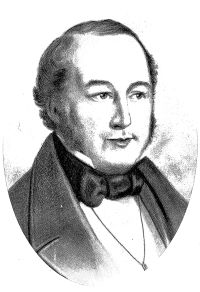
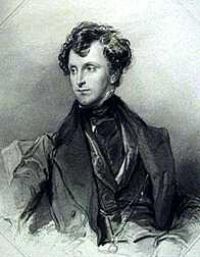
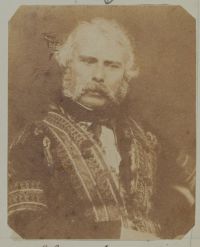
Portrait of Sir Samuel White Baker Sir Samuel White Baker,  Eight Years' Wanderings in Ceylon

“ Not a tree falls, not a withered flower droops to the ground, not a fruit drops from the exhausted bough, but it is instantly attacked by the class of insect prepared by Nature for its destruction. The white ant scans a lofty tree whose iron-like timber and giant stem would seem to mock at his puny efforts; but it is rotten at the core and not a leaf adorns its branches, and in less than a year it will have fallen to the earth a mere shell; the whole of the wood will have been devoured. ”
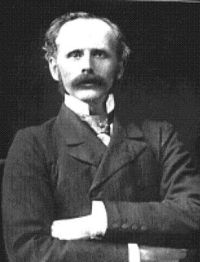
Source: Gutenberg

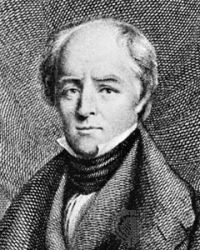
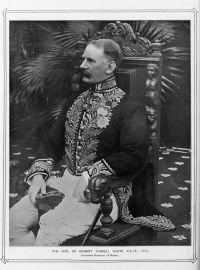
Portrait of Henry Drummond Henry Drummond,  Popular Science Monthly (1885)

“ And yet the white ant can never procure any food until it comes above-ground. Nor will it meet the case for the insect to come to the surface under the shadow of night. Night in the tropics, so far as animal life is concerned, is as the day. It is the great feeding-time, the great fighting-time, the carnival of the carnivores, and of all beasts, birds, and insects of prey from the least to the greatest. It is clear, then, that darkness is no protection to the white ant; and yet without coming out of the ground it can not live. ”
Source: Wikisource

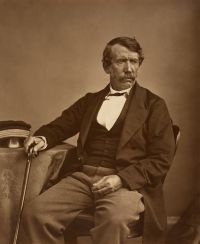
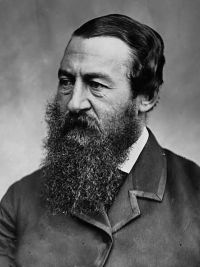
Portrait of David Livingstone David Livingstone,  Missionary Travels and Researches in South Africa

“ They perform a most important part in the economy of nature by burying vegetable matter as quickly beneath the soil as the ferocious red ant does dead animal substances. The white ant keeps generally out of sight, and works under galleries constructed by night to screen them from the observation of birds. At some given signal, however, I never could ascertain what, they rush out by hundreds, and the sound of their mandibles cutting grass into lengths may be heard like a gentle wind murmuring through the leaves of the trees. ”
Source: Gutenberg

Get perspective with Kwize: daily news enlightened by great literature