“ You know what I think of you, darling. The spirit of beauty is everywhere, says the poet. She assumes the largest variety of types and forms, and, verily, she has given her most dangerous one to Florence Howard. She is the brilliant dahlia, the pride of the gay parterre; but my Edith is the modest daisy blooming in some sheltered nook. The stormy winds shall rend the one from its lofty stalk and scatter its wealth of purple leaves o'er the miry earth, while dews and sunbeams kiss the modest plant that blooms in the lowly vale. Is it not so, Mr. Lindenwood? ”
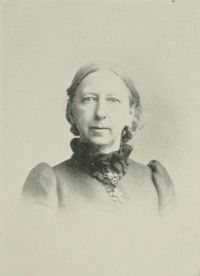
Effie Afton
Biographical details
Effie Afton (1829–1887) was a 19th-century author renowned for her novel Eventide, a work that merges romantic idealism with stark social realism. Her writing examines themes of love, moral integrity, and the conflict between personal ambition and societal norms, often expressed through vivid natural imagery and emotional depth.
Quotes from Eventide highlight her focus on human resilience, the vulnerability of reputation, and nature’s capacity for transformation. Afton’s narrative voice, combining lyrical sensitivity with psychological insight, establishes her as a unique figure within the literary movements of her time.
Quotes by Effie Afton
“ For human love its life to cheer,Baffled and bleeding has returned,To stifle down its crying here.""Thou shalt go forth in prouder mightAnd firmer strength e'er long." Up to the clear blue sky, when the sun was gone down on the silent earth, clad in the pure white snow-mantle, and away over the tops of the forest-pines, at the diamond stars hung in the far-off heaven, gazed Annie Evalyn through that long, dreary winter, from the window of that rude hut in the solitary depths of Scraggiewood. How she mourned o'er her shattered idols, all fallen and wasted on their shrines! ”
“ If Netta has found me a tolerable companion, I have found her a charming one; and all yours and aunt Rachel's teachings—ah! I fear I'm much the debtor after all," she said, shaking her head, doubtfully, and smiling in her listener's face with artless simplicity and gratitude. "No, no, not a debtor, Annie," he said, stroking her bright curls; "I cannot admit that. Let the benefits be mutual, if you will, nothing more. I see Netta in the garden gathering flowers. She is a good little girl, and loves you dearly, though she has none of the brilliancies that characterize your mind. ”