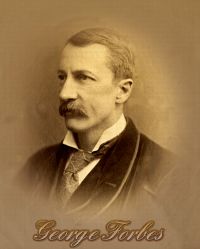
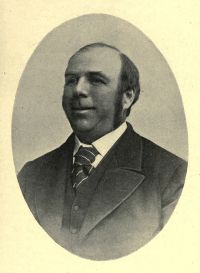
John Louis Emil Dreyer

Biographical details

Portrait of John Louis Emil Dreyer John Louis Emil Dreyer,  Tycho Brahe: a picture of scientific life and work in the sixteenth century (1890)

“ It roused to unwearied exertions a great astronomer, it caused him to renew astronomy in all its branches by showing the world how little it knew about the heavens; his work became the foundation on which Kepler and Newton built their glorious edifice, and the star of Cassiopea started astronomical science on the brilliant career which it has pursued ever since, and swept away the mist that obscured the true system of the world. As Kepler truly said, "If that star did nothing else, at least it announced and produced a great astronomer." ”
Source: Wikisource

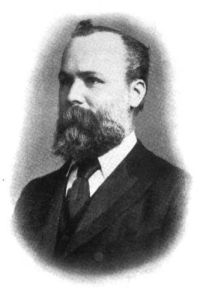
Portrait of John Louis Emil Dreyer John Louis Emil Dreyer,  Tycho Brahe: a picture of scientific life and work in the sixteenth century (1890)

“ It could not be expected that the king or his advisers should have been able to appreciate the true value of Tycho's scientific labours, but they could not help being aware that he enjoyed a world-wide reputation, such as no Dane had ever acquired before; and if he was a bad landlord, they might have endowed him in some other way. But this is neither the first nor the last time that a Government has given science the cold shoulder, since even in later and much more enlightened times statesmen of all nations not unfrequently have distinguished themselves by a sovereign contempt of science. ”
Source: Wikisource

Portrait of John Louis Emil Dreyer John Louis Emil Dreyer,  1911 Encyclopædia Britannica (1911)

“ Tycho Brahe may claim the honour of having been the first to see the necessity of carrying on for a number of years an extensive and carefully-planned series of observations with various instruments, worked by himself and a staff of assistants. In this respect his observatory (Uraniburgum) resembles our modern larger institutions more closely than do many observatories of much more recent date. The mighty impulse which Tycho Brahe gave to practical astronomy at last installed this science at the universities, among which those of Leiden and Copenhagen were the first to found observatories. ”
Source: Wikisource

Get perspective with Kwize: daily news enlightened by great literature