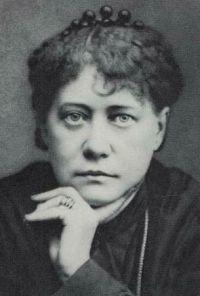
Tycho Brahe

Definition and stakes

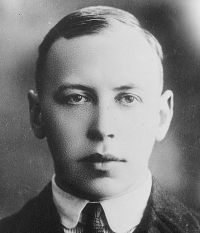
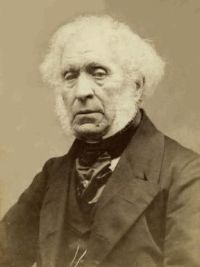
Portrait of John Louis Emil Dreyer John Louis Emil Dreyer Tycho Brahe: a picture of scientific life and work in the sixteenth century (1890)

Tycho Brahe lived just at a time when the law of the land was still formally unaltered, and it is therefore intelligible how his children might be considered legitimate, and the companion of his life have been looked upon as his lawful wife. Doubtless the only fault anybody had to find with her was her low origin, and if she had been his equal in rank nobody would have thought that she was anything but his wife. [3]
Tycho's eldest child, a daughter of the name of Christine, was born in October 1573, but died in September 1576.
Source: Wikisource

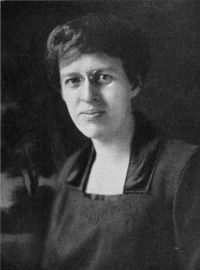
Portrait of Alfred Noyes Alfred Noyes Watchers of the Sky

With mocking courtesy, whether Tycho Brahe
Was ready yet to practise his black art
At country fairs. The guests, and Tycho, laughed;
Whereat the swaggering Junker blandly sneered,
"If fortune-telling fail, Christine will dance,
Thus—tambourine on hip," he struck a pose.
"Her pretty feet will pack that booth of yours."
They fought, at midnight, in a wood, with swords.
And not a spark of light but those that leapt
Blue from the clashing blades. Tycho had lost
His moon and stars awhile, almost his life
Source: Gutenberg

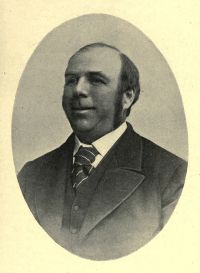
Portrait of Dorothy Stimson Dorothy Stimson The Gradual Acceptance of the Copernican Theory of the Universe

The two standard lives of Tycho Brahe are the Vita Tychonis Brahei by Gassendi (1655) till recently the sole source of information, and Dreyer's Tycho Brahe (1890) based not only on Gassendi but on the documentary evidence disclosed by the researches of the 19th century. For Tycho's works I have used the Opera Omnia published at Frankfort in 1648.
Source: Gutenberg

Get perspective with Kwize: daily news enlightened by great literature