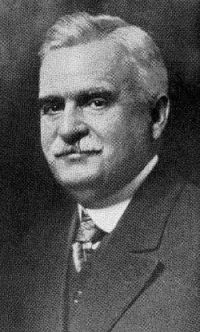
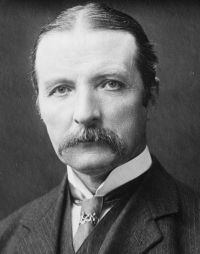
Transit refers to the movement of people or goods from one location to another, encompassing both physical transportation and metaphorical changes. Authors have long examined its various aspects, ranging from technological developments to cultural transformations. Ralph Nader criticizes the emphasis on highways at the expense of effective public transportation, while Charles James Lever contrasts the mechanical accuracy of railways with the lost appeal of more relaxed travel.
Jean Lang contemplates historical methods of transit, emphasizing how contemporary speed often overshadows the stories of slower times. In addition, legal and technical documents, such as the United Nations Convention on the Law of the Sea, describe transit as a navigational right, highlighting its geopolitical importance. These viewpoints together demonstrate transit as a means of exploring progress, convenience, and the ongoing balance between efficiency and human experience.
 Ralph Nader,
The Highway Lobby
(2002)
Ralph Nader,
The Highway Lobby
(2002)