“ He would tease her about a supposed fondness for rice, for chop-sticks, for paper umbrellas and jiujitsu. She liked him to tease her, just as a child likes to be teased, while all the time on the verge of tears. With Asako, tears and laughter were never far apart."Why do you tease me because I am Japanese?" she would sob; "besides, I'm not really. I can't help it. I can't help it!""But, sweetheart," her Captain Geoffrey would say, suddenly ashamed of his elephantine humour, "there's nothing to cry about. I would be proud to be a Japanese. They are jolly brave people. ”
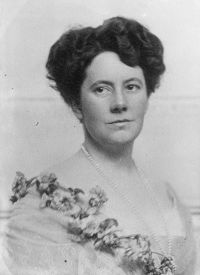
John Paris
Biographical details
John Paris, a distinctive voice in early 20th-century literature, is best known for his novel Kimono, a work that intricately explores themes of cultural identity, cross-cultural misinterpretation, and the tension between Western individualism and Eastern collectivism. Through the experiences of his protagonists—such as Asako, a Japanese woman navigating hybrid identities—Paris examines the complexities of belonging, the performative nature of tradition, and the emotional labor of reconciling personal desires with societal expectations.
His prose, rich in sensory detail and philosophical reflection, underscores the fragility of cultural stereotypes and the universality of human longing. Kimono remains a seminal text for its nuanced portrayal of intercultural dynamics, offering readers a lens to interrogate the boundaries between self and society.
Quotes by John Paris
“ Geoffrey's ideas were stereotyped. To his mind, only great love on both sides could excuse so bizarre a marriage."Love!" cried Reggie. "What is Love? I can feel Love in music. I can feel it in poetry. I can see it in sunshine, in the wet woods, and in the phosphorescent sea. But in actual life! I think of things in too abstract a way ever to feel in love with anybody. So I don't think anybody could really fall in love with me. It is like religious faith. I have no faith, and yet I believe in faith. I have no love, and yet I have a great love for love. ”
“ Sadako smiled tolerantly at her cousin's naive ignorance of things aesthetic and intellectual. It was as though she had been asked whether music or philosophy were difficult."One can never study too much," she said, "one is always learning; one can never be perfect. Life is short, art is long.""But it is not an art like painting or playing the piano, just pouring out tea?""Oh, yes," Sadako smiled again, "it is much more than that. We Japanese do not think art is just to be able to do things, showing off like geisha. Art is in the character, in the spirit. ”