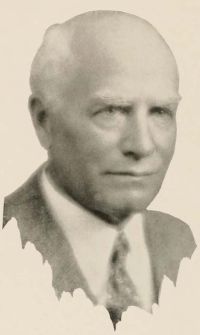
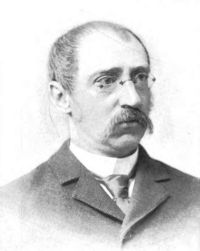
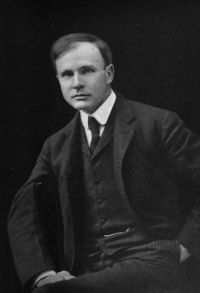
Leon H. Vincent

Biographical details

Leon H. Vincent American literary masters (1906)

And our interest increases when we discern in the unhappy wanderer, mingled among his vices, the germs of heroic virtues,—a hand bountiful to bestow, as it is rapacious to seize, and, even in extremest famine, imparting its last morsel to a fellow sufferer; a heart which, strong in friendship as in hate, thinks it not too much to lay down life for its chosen comrade; a soul true to its own idea of honor, and burning with an unquenchable thirst for greatness and renown.’ Neither poet nor novelist really needs to embroider such an account of the Red Man.
Source: Gutenberg

Leon H. Vincent The Bibliotaph, and Other People

That note of melancholy which we detect in many of Hardy’s novels is as it should be. For no man can apprehend life aright and still look upon it as a carnival. He may attain serenity in respect to it, but he can never be jaunty and flippant. He can never slap life upon the back and call it by familiar names. He may hold that the world is indisputably growing better, but he will need to admit that the world is having a hard time in so doing.
Hardy would be sure of a reputation for pessimism in some quarters if only because of his attitude, or what people think is his attitude, toward marriage.
Source: Gutenberg

Leon H. Vincent American literary masters (1906)

He himself once declared that he never knew what patriotism was until he met an Englishman; that he was not an American, New England was as big a lump of earth as he could hold in his heart. The defect (if indeed it be a defect) was one of the sources of his power. Hawthorne did indeed love New England, but to suppose that he loved it with a blind and uncritical love is wholly to misunderstand both the man and his work. He was the genius of his little world. He knew its poetry and its prose, its mystery, charm, beauty, and its repellent and sordid features.
Source: Gutenberg

Get perspective with Kwize: daily news enlightened by great literature