Hawthorne

Definition and stakes

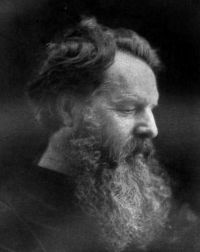
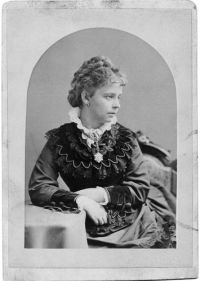
Portrait of Alice Morse Earle Alice Morse Earle,  Old-Time Gardens, Newly Set Forth

“ It pleases me to fancy that Hawthorne was like the Arethusa, that it was a fit symbol of the nature of our greatest New England genius. Perfect in grace and beauty, full of sentiment, classic and elegant of shape, it has a shrinking heart; the sepals and petals rise over it and shield it, and the whole flower is shy and retiring, hiding in marshes and quaking bogs.
It is one of our flowers which we ever regard singly, as an individual, a rare and fine spirit; we never think of it as growing in an expanse or even in groups.
”
Source: Gutenberg

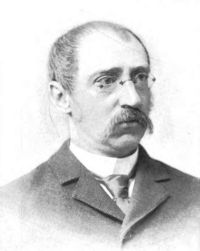
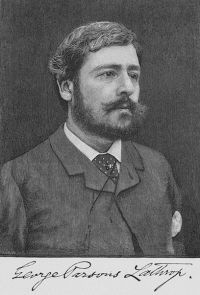
Portrait of George Parsons Lathrop George Parsons Lathrop,  A Study of Hawthorne

“ Salem evolved the artistic spirit indirectly, and embodied itself in Hawthorne by the force of contrast: the weariness of unadorned life which must have oppressed many a silent soul before him at last gathered force for a revolt in his person, and the very dearth which had previously reigned was made to contribute to the beauty of his achievement. The unique and delicate perfume of surprise with which his genius issued from its crevice still haunts his romances. ”
Source: Gutenberg

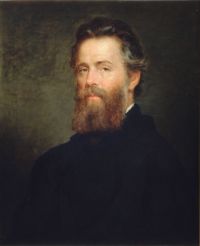
Portrait of Herman Melville Herman Melville,  The Apple-Tree Table, and Other Sketches

“ All over him, Hawthorne’s melancholy rests like an Indian-summer, which, though bathing a whole country in one softness, still reveals the distinctive hue of every towering hill and each far-winding vale.
But it is the least part of genius that attracts admiration. Where Hawthorne is known, he seems to be deemed a pleasant writer, with a pleasant style,—a sequestered, harmless man, from whom any deep and weighty thing would hardly be anticipated—a man who means no meanings.
”
Source: Gutenberg

Get perspective with Kwize: daily news enlightened by great literature