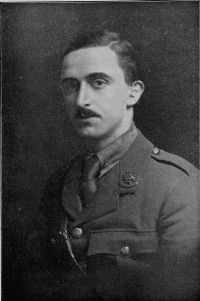
Mark Hovell

Biographical details

Portrait of Mark Hovell Mark Hovell The Chartist Movement (1918)

Capital being unproductive, it follows that the labourer ought to receive the whole produce of his labour. But how is this to be determined, seeing that no labourer produces any commodity independently? It can only be determined by the judgment of the labourers themselves as to the value of their labour. Hence the labourers ought to be free to bargain and, if necessary, to combine for the purpose.
Hodgskin allows that the capitalist who directs labour deserves a reward as a working man; but the idle capitalist has no claim at all upon the produce of labour.
Source: Wikisource

Portrait of Mark Hovell Mark Hovell The Chartist Movement (1918)

But while we would implore you to direct your undivided attention to the attainment of that just political measure, we would urge you to make your agitation in favour of it more efficient and productive of social benefit than it has been hitherto. We have wasted glorious means of usefulness in foolish displays and gaudy trappings, seeking to captivate the sense rather than inform the mind, and apeing the proceedings of a tinselled and corrupt aristocracy rather than aspiring to the mental and moral dignity of a pure democracy.
Source: Wikisource

Portrait of Mark Hovell Mark Hovell The Chartist Movement (1918)

The real sincerity of Chartism had always been its cry of want, its expression of deep-felt but inarticulate economic and social distress. Chartism was the creed of hard times, and it was unlucky for O'Connor and his plans that between 1842 and 1845 there was a wave of comparative prosperity that made those who profited by it forget the distress that had been so widespread between 1836 and 1842. It was only in Ireland that misery still grew apace until its culmination in the potato famine, and in Ireland there never had been any Chartism to speak of.
Source: Wikisource

Get perspective with Kwize: daily news enlightened by great literature