Richard Henry Lee (1732–1794), a key Founding Father of the United States, is best known for his 1776 Lee Resolution, which sparked the Declaration of Independence, officially breaking the American colonies away from British rule. A firm supporter of self-rule, Lee presided over the Continental Congress and played a vital role in forming early American political structures, including the Articles of Confederation.
His writings, such as the Lee Resolution and the commemorative Eulogy Upon William Wirt, highlight themes of civic duty, the importance of liberty, and the ethical need for representative governance. Lee’s influence remains a cornerstone of American independence, his deeds and speeches embodying an unshakable dedication to the principles of freedom and national self-governance.

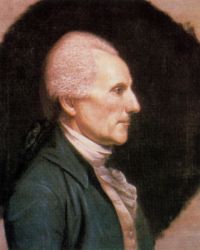 Richard Henry Lee,
Lee Resolution
(1776)
Richard Henry Lee,
Lee Resolution
(1776)