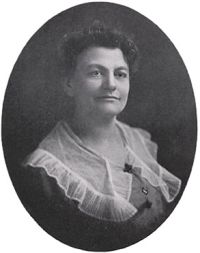
Šárka B. Hrbková

Biographical details

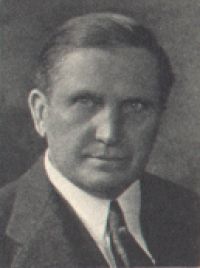
Portrait of Šárka B. Hrbková Šárka B. Hrbková Czechoslovak Stories (1920)

The romantic period of the renaissance affected not only Czech and Slovak literature, but it left its imprint on all the arts—on philosophy, religion, the sciences, and political, social and moral life. The protest of rich imagination, of unfettered freedom in feeling and expression against the cold reasoning and polished conventionality of the eighteenth century found its outlet among the Czechs and Slovaks in an enthusiastic exaltation of their nation and language—two concepts never separated in the mind of the true patriot of that land.
Source: Wikisource

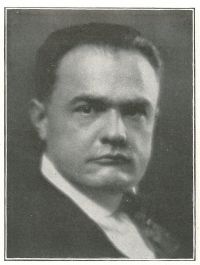
Portrait of Šárka B. Hrbková Šárka B. Hrbková Czechoslovak Stories (1920)

Through his truly amazing diligence in translation, Vrchlický opened to the Czech reading public new worlds of literature, his aim being to interest especially the younger generation in the rich treasures of all nations. His superior genius made it possible to give the precious lore of other times and other lands a thoroughly artistic rendering in his mother tongue in which he has been acknowledged master by all the critics of his day.
Source: Wikisource

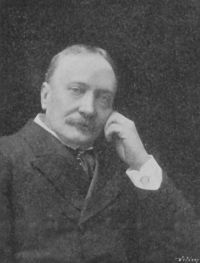
Portrait of Šárka B. Hrbková Šárka B. Hrbková Poet Lore (1916)

The quivering throes of the nation during the generations preceding 1830 could hardly be looked upon as anything else but the reflex shudders of a corpse. But the blood, apparently con gealed, began once more to course through the stiff veins when the breath of freedom and democracy at first wafted, then like a mighty gale, fairly rushed through the land in 1848, revivifying, renewing, inspiring everywhere.
Source: Wikisource

Get perspective with Kwize: daily news enlightened by great literature