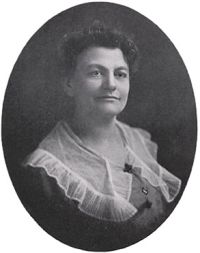
Šárka B. Hrbková

Šárka B. Hrbková

Summary

Portrait of Šárka B. Hrbková Šárka B. Hrbková Czechoslovak Stories (1920)

The romantic period of the renaissance affected not only Czech and Slovak literature, but it left its imprint on all the arts—on philosophy, religion, the sciences, and political, social and moral life. The protest of rich imagination, of unfettered freedom in feeling and expression against the cold reasoning and polished conventionality of the eighteenth century found its outlet among the Czechs and Slovaks in an enthusiastic exaltation of their nation and language—two concepts never separated in the mind of the true patriot of that land.
Source: Wikisource

Portrait of Šárka B. Hrbková Šárka B. Hrbková Czechoslovak Stories (1920)

Through his truly amazing diligence in translation, Vrchlický opened to the Czech reading public new worlds of literature, his aim being to interest especially the younger generation in the rich treasures of all nations. His superior genius made it possible to give the precious lore of other times and other lands a thoroughly artistic rendering in his mother tongue in which he has been acknowledged master by all the critics of his day.
Source: Wikisource

Portrait of Šárka B. Hrbková Šárka B. Hrbková Czechoslovak Stories (1920)

Růžena Svobodová exposes in her masterful and well-nigh scientific manner the frailties and gnawing sores of each social stratum and turns the light on the pitiable condition of so many women who, ignorant of their own purpose in life, live in hopeless dreams until, spiritually famished, they perish in their own illusions, amid the joyless drab of life. Martin Kukučin, the leading Slovák realist, in addition to portraying his own people as he knew them has presented intimate views of the Croatian and Serbian peasantry.
Source: Wikisource

Get perspective with Kwize: daily news enlightened by great literature