Summary

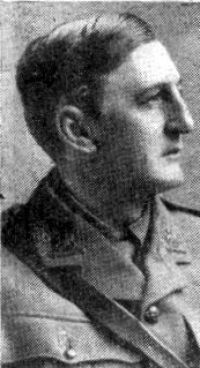
Portrait of A. E. W. Mason A. E. W. Mason The Four Feathers — XVII: The Answer to the Overture (1902)

Harry Feversham had not striven so laboriously to learn that melody in vain. Ethne was stirred as she had thought nothing would ever again have the power to stir her. She wondered whether Harry, as he sat in the little bare whitewashed café, and strummed out his music to the negroes and Greeks and Arabs gathered about the window, had dreamed, as she had done to-night, that somehow, thin and feeble as it was, some echo of the melody might reach across the world.
Source: Wikisource

Portrait of A. E. W. Mason A. E. W. Mason The Four Feathers — XVII: The Answer to the Overture (1902)

As I came nearer I heard the sound of a violin and a zither, both most vilely played, jingling out a waltz. I stood at the back of the crowd and looked over the shoulders of the men in front of me into the room. It was a place of four bare whitewashed walls; a bar stood in one corner, a wooden bench or two were ranged against the walls, and a single unshaded paraffin lamp swung and glared from the ceiling. A troupe of itinerant musicians were playing to that crowd of negroes and Arabs and Egyptians for a night's lodging and the price of a meal.
Source: Wikisource

Portrait of A. E. W. Mason A. E. W. Mason The Four Feathers — XVII: The Answer to the Overture (1902)

She must utter no cry, she must not swoon; she must keep very still and quiet, and speak when needed with a quiet voice, even though she knew that Harry Feversham had gone southward to join Colonel Trench at Omdurman. But so much was beyond her strength. For as Colonel Durrance began to speak again, the desire to escape, to be alone with this terrible news, became irresistible.
Source: Wikisource

Get perspective with Kwize: daily news enlightened by great literature