Summary

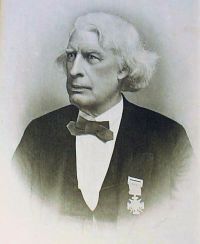
Portrait of Albert Mackey Albert Mackey The Symbolism of Freemasonry — Chapter XXXI (1882)

For it is only after the decay and fall of this temple of life, which, as masons, we have been building, that from its ruins, deep beneath its foundations, and in the profound abyss of the grave, we find that divine truth, in the search for which life was spent, if not in vain, at least without success, and the mystic key to which death only could supply.
And now we know by this symbolism what is meant by masonic labor, which, too, is itself but another form of the same symbol. The search for the Word--to find divine Truth--this, and this only, is a mason's work, and the WORD is his reward.
Source: Wikisource

Portrait of Albert Mackey Albert Mackey The Symbolism of Freemasonry — Chapter XXXI (1882)

And now the Master Mason comes, with all the symbolism around him of old age--trials, sufferings, death. And here, too, the aspirant, pressing onward, always onward, still cries aloud for "light, more light." The search is almost over, but the lesson, humiliating to human nature, is to be taught, that in this life--gloomy and dark, earthly and carnal--pure truth has no abiding place; and contented with a substitute, and to that second temple of eternal life, for that true Word, that divine Truth, which will teach us all that we shall ever learn of God and his emanation, the human soul.
Source: Wikisource

Portrait of Albert Mackey Albert Mackey The Symbolism of Freemasonry — Chapter XXXI (1882)

But, work as we will, this symbolic Word--this knowledge of divine Truth--is never thoroughly attained in this life, or in its symbol, the Master Mason's lodge. The corruptions of mortality, which encumber and cloud the human intellect, hide it, as with a thick veil, from mortal eyes. It is only, as I have just said, beyond the tomb, and when released from the earthly burden of life, that man is capable of fully receiving and appreciating the revelation.
Source: Wikisource

Get perspective with Kwize: daily news enlightened by great literature