Summary

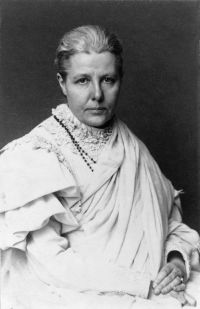
Portrait of Annie Wood Besant Annie Wood Besant The Case For India — Chapter III/II: The Secondary Reasons

It is a commonplace that the best men become corrupted by the possession of irresponsible power. As Bernard Houghton says: "The possession of unchecked power corrupts some of the finer qualities." Officials quite honestly come to believe that those who try to change the system are undermining the security of the State. They identify the State with themselves, so that criticism of them is seen as treason to the State. The phenomenon is well known in history, and it is only repeating itself in India.
Source: Wikisource

Portrait of Annie Wood Besant Annie Wood Besant The Case For India — Chapter III/II: The Secondary Reasons

That some radical change must be brought about in the condition of our masses, if a Revolution of Hunger is to be averted, is patent to all students of history, who also know the poverty of the Indian masses to-day. This economic condition is due to many causes, of which the inevitable lack of understanding by an alien Government is only one. A system of government suitable to the West was forced on the East, destroying its own democratic and communal institutions and imposing bureaucratic methods which bewildered and deteriorated a people to whom they were strange and repellent.
Source: Wikisource

Portrait of Annie Wood Besant Annie Wood Besant The Case For India — Chapter III/II: The Secondary Reasons

In all the matters which come under Gokhale's first test, the Bureaucracy has been and is inefficient.
Give Indians a Chance. All we say in the matter is: You have not succeeded in bringing education, health, prosperity, to the masses of the people. Is it not time to give Indians a chance of doing, for their own country, work similar to that which Japan and other nations have done for theirs?
Source: Wikisource

Get perspective with Kwize: daily news enlightened by great literature