Summary

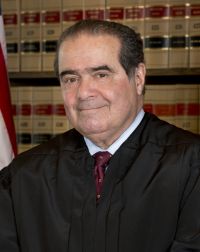
Portrait of Antonin Scalia Antonin Scalia Alabama v. Shelton — Dissenting Opinion

But the narrowness of the range of circumstances covered says nothing about the number of suspended-sentence cases covered. Misdemeanors punishable by less than six months’ imprisonment may be a narrow category, but it may well include the vast majority of cases in which (precisely because of the minor nature of the offense) a suspended sentence is imposed. There is simply nothing to support the Court’s belief that few offenders are prosecuted for crimes in which counsel is not already provided.
Source: Wikisource

Portrait of Antonin Scalia Antonin Scalia Alabama v. Shelton — Dissenting Opinion

It may well be a sensible option, since most defendants will be induced to comply with the terms of their probation by the mere threat of a retrial that could send them to jail, and since the expense of those rare, counseled retrials may be much less than the expense of providing counsel initially in all misdemeanor cases that bear a possible sentence of imprisonment. And it may well be that, in some cases, even procedures short of complete retrial will suffice.
Source: Wikisource

Portrait of Antonin Scalia Antonin Scalia Alabama v. Shelton — Dissenting Opinion

Today’s decision ignores this long and consistent jurisprudence, extending the misdemeanor right to counsel to cases bearing the mere threat of imprisonment. Respondent’s 30-day suspended sentence, and the accompanying 2-year term of probation, are invalidated for lack of appointed counsel even though respondent has not suffered, and may never suffer, a deprivation of liberty.
Source: Wikisource

Get perspective with Kwize: daily news enlightened by great literature