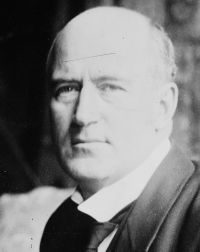
Charles Dana Gibson

Charles Dana Gibson

Summary

Portrait of Charles Dana Gibson Charles Dana Gibson Sketches in Egypt (1899)

If you leave it to a dragoman you will get mostly howling dervishes and mosques; and if you leave it to a donkey-boy, there is no telling where he will take you—most likely to the fish-market. But with a guide-book and a bicycle you will miss very little that lies between the citadel and the pyramids. Cairo is not all hotel life, and bazaars lining narrow streets like open fireplaces, filled with putty-faced Turks as watchful as the brown buzzards that fly overhead; there are streets{22}
Source: Gutenberg

Portrait of Charles Dana Gibson Charles Dana Gibson Sketches in Egypt (1899)

The debris of the forgotten city that once covered Komombos has been removed, and the great hall, with its holy of holies now exposed to the light of day, is swept by the wind as clean as a Dutch kitchen; and yet the carvings are as fresh as the day they were made. From the Nitocris to the temple is only a few steps through some sugar-cane. It was a novel experience to find no donkey-boys with their patient and sleepy donkeys.
But the natives were different from any we had heretofore seen, and proved that we were getting into real Africa.
Source: Gutenberg

Portrait of Charles Dana Gibson Charles Dana Gibson Sketches in Egypt (1899)

At Karnak there were miles of half-buried walls, and cut deep in them gigantic figures of Rameses, with one hand raised about to strike off the heads of enemies done up in bundles like asparagus and held by the hair of their heads, while armies are shown flying in confusion. The bas-reliefs at Komombos are more cheerful and cut with greater skill. They represent the ancient gods of Egypt in their more playful moods, floating down the Nile, spearing miniature hippopotamuses and crocodiles, with here and there a triumphant{70} procession.
Source: Gutenberg

Get perspective with Kwize: daily news enlightened by great literature