Summary

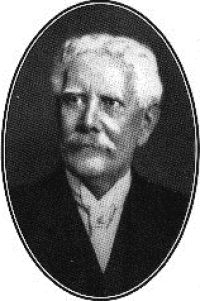
Portrait of Charles Oman Charles Oman A History of the Peninsular War…

The Spanish government was notoriously poor, its old regiments had been refilled again and again with raw conscripts, its new levies had never had a fair start. Hence came the things which disgusted the average Peninsular diarist of British origin—the shambling indiscipline, the voluntary dirt, the unmilitary habits of the Spanish troops. He could not get over his dislike for men who kept their arms in a filthy, rusty condition, who travelled not in orderly column of route but like a flock of sheep straggling along a high road, who obeyed their officers only when they pleased.
Source: Gutenberg

Portrait of Charles Oman Charles Oman A History of the Peninsular War…

Charles IV and Godoy account for an extraordinary amount of the decrepitude of the monarchy and the demoralization of its army.
It is more just to admire the constancy with which a nation so handicapped persisted in the hopeless struggle, than to condemn it for the incapacity of its generals, the ignorance of its officers, the unsteadiness of its raw levies. If Spain had been a first-rate military power, there would have been comparatively little merit in the six years’ struggle which she waged against Bonaparte.
Source: Gutenberg

Portrait of Charles Oman Charles Oman A History of the Peninsular War…

Cuesta took the army of Castile to Leon, retiring on the Asturias rather than on Galicia.
Bessières’ well-earned victory was creditable to himself and his troops, but the way had been made easy for him by the astounding tactical errors of the Captain-General of Castile. The rank and file of the Spanish army had no reason to be ashamed of their conduct: it was their commander who should have blushed at the reckless way in which he had sacrificed his willing troops. Handled by Cuesta the best army in the world might have been defeated by inferior numbers.
Source: Gutenberg

Get perspective with Kwize: daily news enlightened by great literature