Summary

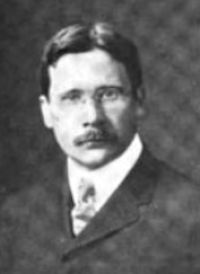
Portrait of Clifford Herschel Moore Clifford Herschel Moore Pagan Ideas of Immortality During the Early Roman Empire

To Plato himself his belief in immortality was of the greatest moment, for the whole fabric of his ethical and political philosophy is built against the background of that doctrine. And indeed we should all grant much validity to the argument that the human reason, though weak and limited, is one with the divine and infinite reason; otherwise the human could have no understanding of the divine.
Source: Gutenberg

Portrait of Clifford Herschel Moore Clifford Herschel Moore Pagan Ideas of Immortality During the Early Roman Empire

Originally these mysteries were no doubt agricultural rites intended to call to life the dead grain in the spring. But before the seventh century, B.C., the festival had been transformed; the miracle of the reviving vegetation, of the grain which dies and lives again, here, as so many times elsewhere, had become the symbol and assurance of human immortality.
Source: Gutenberg

Portrait of Clifford Herschel Moore Clifford Herschel Moore Pagan Ideas of Immortality During the Early Roman Empire

And man’s moral obligation they held to be to free this divine element from the clogging weight of the body, to cease to “blind his soul with clay.” So far as we are aware, the Orphics were the first among the Greeks to make the divinity of the soul a motive for the religious life, and perhaps the first to see that, if the soul is divine, it may naturally be regarded as eternally so, and therefore as immortal. What more momentous thoughts as to the soul’s nature and its destiny could any sect have introduced than these?
Source: Gutenberg

Get perspective with Kwize: daily news enlightened by great literature