Summary

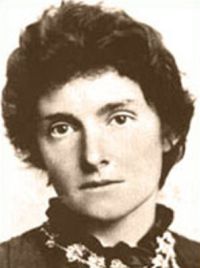
Portrait of E. Nesbit E. Nesbit Salome and the Head — 16. The Serving Man (1909)

And this dance tonight marked, indeed, the zenith of her fame. It was the dance of love and death—as the composer of the symphony had dreamed it.
Her other dances had been already dances that no other woman had imagined or could have executed. But this dance did not merely appeal as a work of art; it appealed as the work of Nature. It was the thing that hitherto the Salome dance had represented. Plainly to be seen, and comprehended by the poorest critic in the gallery, the meanest enthusiast in the stalls, it was the dance of Love and Death.
Source: Wikisource

Portrait of E. Nesbit E. Nesbit Salome and the Head — 16. The Serving Man (1909)

Sylvia had sat in the deep chair and talked. The chauffeur had wondered now and again through the hours, whether she realised at all that it was to her chauffeur that she was talking. When in the slate-grey beginnings of dawn shivering came to her, and he made her lie down, and covered her with the Indian shawl, he knew that he knew her heart and soul as no other man had ever known them. And he had felt that that heart and soul would never thus be known by any other man in this world.
Source: Wikisource

Portrait of E. Nesbit E. Nesbit Salome and the Head — 16. The Serving Man (1909)

Behind the curtain the management, fussing round a limp, insensible girl, found himself touched on the arm.
“Beg pardon, sir—there’s something odd——”
There were whispers—the kindly people of Herod’s court—king, slaves, and courtiers, surrounding the unconscious Salome, sympathetic for her courage in attempting the dance on that night of all nights, heard words:
“That discovery—the headless body—her husband.” “The head’s alive—dead, I mean.” “Police.” “Get ourselves into trouble.”
Source: Wikisource

Get perspective with Kwize: daily news enlightened by great literature