Summary

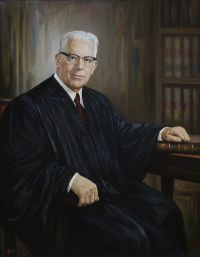
Portrait of Earl Warren Earl Warren Gregory v. City of Chicago — Opinion of the Court

Men and women who hold public office would be compelled, simply because they did hold public office, to lose the comforts and privacy of an unpicketed home. I believe that our Constitution, written for the ages, to endure except as changed in the manner it provides, did not create a government with such monumental weaknesses. Speech and press are, of course, to be free, so that public matters can be discussed with impunity. But picketing and demonstrating can be regulated like other conduct of men.
Source: Wikisource

Portrait of Earl Warren Earl Warren Gregory v. City of Chicago — Opinion of the Court

Were the authority of government so trifling as to permit anyone with a complaint to have the vast power to do anything he pleased, wherever he pleased, and whenever he pleased, our customs and our habits of conduct, social, political, economic, ethical, and religious, would all be wiped out, and become no more than relics of a gone but not forgotten past.
Source: Wikisource

Portrait of Earl Warren Earl Warren Gregory v. City of Chicago — Opinion of the Court

In agreeing to the reversal of these convictions, however, I wish once more to say that I think our Federal Constitution does not render the States powerless to regulate the conduct of demonstrators and picketers, conduct which is more than 'speech,' more than 'press,' more than 'assembly,' any more than 'petition,' as those terms are used in the First Amendment. Narrowly drawn statutes regulating the conduct of demonstrators and picketers are not impossible to draft.
Source: Wikisource

Get perspective with Kwize: daily news enlightened by great literature