Summary

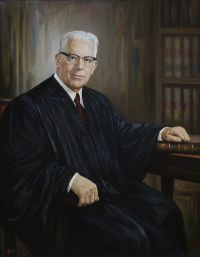
Portrait of Earl Warren Earl Warren Grosso v. United States — Dissent

Because most forms of gambling have been declared illegal in this country, gamblers necessarily operate furtively in the dark shadows of the underworld. Only by requiring that such individuals come forward under pain of criminal sanctions and reveal the nature and scope of their activities can Congress confidently expect that revenue derived from that outlawed occupation will be subject to the legitimate reach of the tax laws. Indeed, it seems to me that the very secrecy which surrounds the business of gambling demands disclosure.
Source: Wikisource

Portrait of Earl Warren Earl Warren Grosso v. United States — Dissent

The occupation of gambling can in no sense be called a 'protected' activity. The only claim that those engaged in gambling make is that they are somehow entitled to have their activities shrouded in secrecy and shielded from disclosure. Nothing in the Constitution compels such a result. And there is clearly a legitimate tax purpose in demanding that gamblers make the disclosures required by § 4412 and Form 11-C. Disclosure by means of registration is routinely required under the tax laws of those engaged in legitimate and lawful business enterprises.
Source: Wikisource

Portrait of Earl Warren Earl Warren Grosso v. United States — Dissent

Yet, by its sweeping declaration that the congressional scheme for enforcing and collecting the taxes imposed on wagers and gamblers is unconstitutional, the Court has stripped from Congress the power to make its taxing scheme effective. A reading of the registration requirement of 26 U.S.C. § 4412, as implemented by Internal Revenue Service Form 11-C, reveals that the information demanded of gamblers is no more than is necessary to assure that the tax-collection process will be effective. Registration of those liable for special taxes is a common and integral feature of the tax laws.
Source: Wikisource

Get perspective with Kwize: daily news enlightened by great literature