Summary

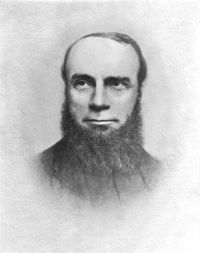
Portrait of Edward Steere Edward Steere Some account of the town of Zanzibar (1869)

One result of all this is too important to be passed by in silence, it is that the language of Zanzibar—the Swahili—being the official and the trade language, is everywhere more or less understood, so that whereas if you learnt one of the up-country languages you would be a stranger everywhere else, if you have well mastered the Swahili you are at home everywhere, in every tribe you will find some who can act as interpreters, and who can at once open to you the intricacies of their own tongue.
Source: Wikisource

Portrait of Edward Steere Edward Steere Some account of the town of Zanzibar (1869)

The ways that lead out of the town are always full of women going and coming with their water jars, round red earthen jars which hold two or three gallons, and their Katas, which are cocoanut shells at the end of a long stick, to scoop up the water out of the pits, which serve as wells.
There is a work of vast importance to be done amongst the women of Zanzibar, which only English women can do. They need instruction in every way, few only can read at all, or have any idea beyond the narrow limits of their own idle gossiping customs, the slave women being their great purveyors of news.
Source: Wikisource

Portrait of Edward Steere Edward Steere Some account of the town of Zanzibar (1869)

The inversions of our European customs are very curious: not only do people take off their shoes instead of their hats, but it is the highest praise you can give anyone to say that he is a slow man with a cold heart; a man, that is, who is neither hot nor hasty in his temper, and whose heart is like a piece of ice, the most delightful and refreshing thing you could easily think of. It is a fundamental rule of good breeding not to do what will make yourself or anybody else hot, you must walk slowly and keep as cool as you can.
Source: Wikisource

Get perspective with Kwize: daily news enlightened by great literature