Summary

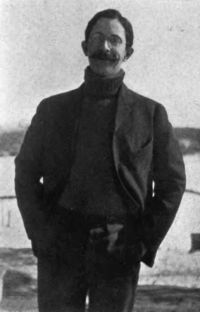
Portrait of Edwin Lefevre Edwin Lefevre,  Making Fermented Pickles

“ The fermentable sugar present in all fruits and vegetables, which is one of the soluble substances extracted by osmotic action, serves as food for the lactic-acid bacteria which break it down into lactic acid and certain volatile acids. In some vegetables, like cucumbers and cabbage, where the supply of sugar is ample and other conditions are favorable to the growth of the lactic bacteria, a decided acid formation takes place, constituting a distinct fermentation. ”
Source: Gutenberg

Portrait of Edwin Lefevre Edwin Lefevre,  Making Fermented Pickles

“ A soft or slippery condition, one of the most common forms of spoilage in making pickles, is the result of bacterial action. It always occurs when pickles are exposed above the brine and very often when the brine is too weak to prevent the growth of spoilage organisms. To prevent it keep the pickles well below the brine and the brine at the proper strength. To keep pickles for more than a « 13 » very few weeks a brine should contain 10 per cent of salt. Once pickles have become soft or slippery as a result of bacterial action no treatment will restore them to a normal condition. ”
Source: Gutenberg

Portrait of Edwin Lefevre Edwin Lefevre,  Making Fermented Pickles

“ Spices are practically always added in making sweet pickles. The effect of too much spice, especially the stronger kinds, like peppers and cloves, however, is injurious. One ounce of whole mixed spices to 4 gallons of pickles is enough. As spices may cause cloudiness of the vinegar, they should be removed after the desired flavor has been obtained. Heating is an aid to a better utilization of the spice. Add the required quantity of spice, in a cheesecloth bag, to the vinegar and hold at the boiling point for not longer than half an hour. Heating too long causes the vinegar to darken. ”
Source: Gutenberg

Get perspective with Kwize: daily news enlightened by great literature