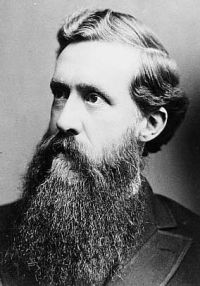
Elliott Coues

Elliott Coues

Summary

Portrait of Elliott Coues Elliott Coues,  Popular Science Monthly (1877)

“ Let us pay tribute to the gifted poet who taught us to contrast the insignificance of a fact with the sublime signification of a truth. No one may imagine for a moment that the imaginative faculty is an imaginary thing, or doubt the reality of imagination, because it is immaterial and immeasurable, inscrutable to the physical senses, unsusceptible of analysis or synthesis, triable by no test, overriding logic, outwitting philosophy, laughing at science—this imperious mistress of mind, this fertile mother of all art! ”
Source: Wikisource

Portrait of Elliott Coues Elliott Coues,  Popular Science Monthly (1877)

“ The measure of creative ability is the measure of accountability for its exercise, and the measure of the penalty which perversion of the godlike faculty entails. Like every other energy in Nature, the imagination is equally potent for good and for evil. Let the bravest man tell me he never shudders when he looks within, at the possibilities there disclosed. There is power to make this earth seem nearer heaven or hell. Whose rebellious imagination conceived it were better to reign below than to serve above? Sound is as full of discord as of harmony. Light may blind us, or guide us on our way. ”
Source: Wikisource

Portrait of Elliott Coues Elliott Coues,  Popular Science Monthly (1877)

“ At present, education is almost entirely devoted to the cultivation of the power of expression and of the sense of literary beauty. The matter of having anything to say beyond a hash of other people's opinions, or of possessing any criterion of beauty, so that we may distinguish between the godlike and the devilish, is left aside as of no moment. I think I do not err in saying that, if science were made the foundation of education, instead of being, at most, stuck on as a cornice to the edifice, this state of things could not exist. ”
Source: Wikisource

Get perspective with Kwize: daily news enlightened by great literature