Summary

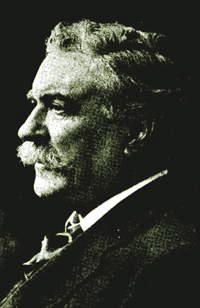
Portrait of Ernest Belfort Bax Ernest Belfort Bax The Legal Subjection of Men — THE CRIMINAL LAW (1908)

To the intrinsic difficulty of defence presented by the very nature of the alleged offence, the poverty of the man accused often adds a terrible aggravation. The rich man can protect himself by all the resources of legal defence; the poor man is left to the mercy of the wolves by his poverty; which, although it may protect him from blackmail, yet gives him no security against malignant spite—perhaps the most fruitful source of false accusations.
Source: Wikisource

Portrait of Ernest Belfort Bax Ernest Belfort Bax The Legal Subjection of Men — THE CRIMINAL LAW (1908)

England, unlike continental countries, provides no legal defence for accused persons. This is serious enough in ordinary cases, but, in any trial in which a woman is concerned, it amounts to a refusal to a man of the commonest conditions of fairplay. The public prosecution of alleged offences against women devolves on the Treasury—in other words, on the skilled advocates of the Crown, with the resources of the English taxpayer at their disposal in the preparation of cases and the procuring of witnesses.
Source: Wikisource

Portrait of Ernest Belfort Bax Ernest Belfort Bax The Legal Subjection of Men — THE CRIMINAL LAW (1908)

The best illustration of the extent of the women's privilege to murder men will be found in the consideration of the number of cases in which women have been hanged during the last quarter of a century for the offence when, by a mere chance, they were convicted. As has been stated, a woman who kills a man is usually acquitted. If she be convicted, it is almost invariably of manslaughter, not murder. If she be by some off-chance convicted of murder, an agitation for her release is usually started.
Source: Wikisource

Get perspective with Kwize: daily news enlightened by great literature