Summary

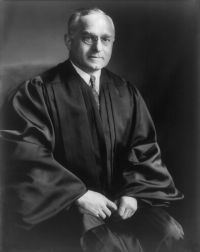
Portrait of Felix Frankfurter Felix Frankfurter Rochester Telephone Corporation v…

In translating these important objectives for effectuating the Congressional scheme to enlarge the independent powers of the Interstate Commerce Commission into a seemingly technical distinction between 'negative' and 'affirmative' orders, the opinion in Procter & Gamble v. United States gave authority to a doctrine which harmonizes neither with the considerations which induced it nor with the course of decisions which have purported to follow it. [23] Subsequent cases have made it abundantly clear that 'negative order' and 'affirmative order' are not appropriate terms of art.
Source: Wikisource

Portrait of Felix Frankfurter Felix Frankfurter Rochester Telephone Corporation v…

An action before the Interstate Commerce Commission is akin to an inclusive equity suit in which all relevant claims are adjusted. [28] An order of the Commission dismissing a complaint on the merits and maintaining the status quo is an exercise of administrative function, no more and no less, than an order directing some change in status. The nature of the issues foreclosed by the Commission's action and the nature of the issues left open, so far as the reviewing power of courts is concerned, are the same.
Source: Wikisource

Portrait of Felix Frankfurter Felix Frankfurter Rochester Telephone Corporation v…

The complainant can come into court, of course, not to review action within the discretionary authority of the Commission to render an adverse rather than a favorable decision but because he urges errors of law outside the Commission's final say-so. Such an analysis emerges from a long sequence of cases under the Urgent Deficiencies Act viewed in the setting of general doctrines of federal jurisdiction.
Source: Wikisource

Get perspective with Kwize: daily news enlightened by great literature