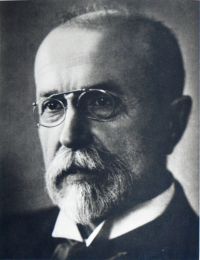
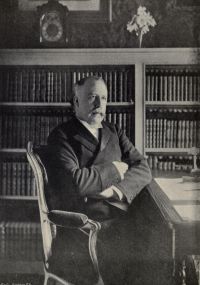
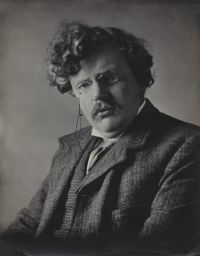
The concept of status quo refers to the current state of affairs, often maintained through tradition, authority, or institutional resistance to change. Philosophers and writers have long examined its implications: Bertrand Russell emphasized its function in reinforcing order through custom, while U.G. Krishnamurti criticized society’s obsession with preserving continuity at the cost of personal autonomy.
John Stuart Mill explored the limits between individual liberty and collective governance, highlighting the conflicts that arise in upholding the status quo. These viewpoints expose an ongoing discussion between stability and advancement, demonstrating how the idea influences power relations, social values, and political beliefs across various historical and intellectual frameworks.
 Bertrand Russell,
Political Ideals
(1917)
Bertrand Russell,
Political Ideals
(1917)