Summary

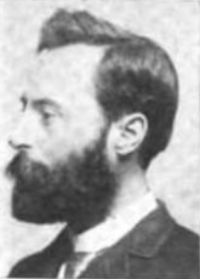
Portrait of Frank Parsons Frank Parsons The heart of the railroad problem (1906)

Is it fair to try to control in your own interest property that does not belong to you? It is fair to try to exert sufficient control to secure impartial treatment of persons, places, and industries; but can this be done without fixing rates, and if this is resorted to will it not result either in squeezing the life out of railway enterprise or in a vicious struggle for mastery with new evasions of law and further intensification of political evils, and corporate control of Government?
Source: Gutenberg

Portrait of Frank Parsons Frank Parsons The heart of the railroad problem (1906)

As Hadley says: “The really serious form of passenger discrimination is the free-pass system. It is a serious thing, not so much on account of the money involved, as on account of the state of the public morals which it indicates (and develops) . When passes are given as a matter of mere favoritism, it is bad enough. When they are given as a means of influencing legislation, it is far worse. Yet this last form of corruption has become so universal that people cease to regard it as corrupt. Public officials and other men of influence are ready to expect and claim free transportation as a right.
Source: Gutenberg

Portrait of Frank Parsons Frank Parsons The heart of the railroad problem (1906)

It is absurd to forbid co-operation for the maintenance of reasonable rates and prevention of superfluous transportation, or any other honest purpose. Traffic agreements may secure a co-ordination of service approaching that which would be attained by unity of management. The fetish-worship of competition is one of the prime curses of our economic ignorance. We might as well worship destruction, injustice, and inefficiency. Moreover, competition of the kind that protects the public from oppressive rates cannot be maintained in the railway world.
Source: Gutenberg

Get perspective with Kwize: daily news enlightened by great literature