Summary

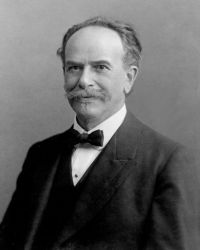
Portrait of Franz Boas Franz Boas The development of folk-tales and myths (1916)

The formulas of myths and folk-tales, if we disregard the particular incidents that form the substance with which the framework is filled in, are almost exclusively events that reflect the occurrences of human life, particularly those that stir the emotions of the people. If we once recognize that mythology has no claim to priority over novelistic folk-lore, then there is no reason why we should not be satisfied to explain the origin of these tales as due to the play of imagination with the events of human life.
Source: Wikisource

Portrait of Franz Boas Franz Boas The development of folk-tales and myths (1916)

THE collections of folk-tales and myths of all continents, but particularly North America, that have been accumulated during the last few decades, have yielded the definite result that the incidents of tales have a very wide distribution, that they have been carried from tribe to tribe, even from continent to continent, and have been assimilated to such an extent that rarely only there is any internal evidence that would indicate what is of native and what of foreign origin.
Source: Wikisource

Portrait of Franz Boas Franz Boas The development of folk-tales and myths (1916)

The literary device that holds together each one of these tales consists in the use of the interest in the hero that has been created by the introductory story, and that makes the audience desirous of knowing about his further deeds and adventures. The greater the personal interest in the hero, the more marked is the desire to attach to his name some of the favorite exploits that form the subject of folk-tales. I presume this is the reason why in so many cases the introductory tales differ enormously, while the adventures and exploits themselves show a much greater degree of uniformity.
Source: Wikisource

Get perspective with Kwize: daily news enlightened by great literature