Summary

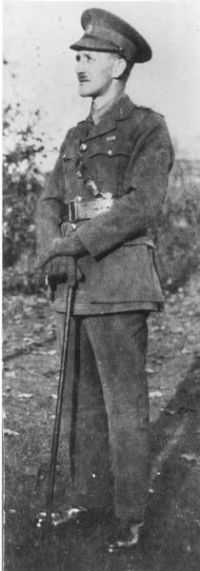
Portrait of Fred Waite Fred Waite New Zealanders at Gallipoli

I sincerely wish all my old comrades happiness and success. None of us are ever likely to forget the times we spent together on Gallipoli. We sincerely mourn for those who so willingly gave their lives for the great cause in which we were fighting; but we know they have not died in vain, for they have ensured freedom and right for our children and our children's children. New Zealand may well be—as I am sure she is—justly proud of her magnificent sons, who so bravely upheld her flag and fought for her honour on the shores of the Gallipoli Peninsula.
Source: Gutenberg

Portrait of Fred Waite Fred Waite New Zealanders at Gallipoli

The Turk quickly realized that the valley running from behind Hell Spit deep into the centre of Anzac must be the channel of communication. His gunners were so assiduous that it was quickly christened Shrapnel Gully. The top of this valley was afterwards known as Monash Gully.
The glory of the spring was still on the Peninsula. Birds sang in the bushes, and the fragrance of crushed wild thyme perfumed the morning air. Patches of red poppies glowed in the sheltered open places. Draped around the prickly scrub were festoons of wild honeysuckle.
Source: Gutenberg

Portrait of Fred Waite Fred Waite New Zealanders at Gallipoli

On occasions such as these, one realizes the devilish ingenuity of modern war—bullets streaming as from a hose, and cutting down everything in the line of fire—men and shrubs indiscriminately, until the clay slopes of Dead Man's Ridge were stained with British blood.
The troops holding the safe crestline just a little to the right were fascinated by the scene—the red and yellow of the hillside, the brave men steadily climbing up to the fatal crest, the burst of machine-gun fire as it caught the soldiers on the ridge
Source: Gutenberg

Get perspective with Kwize: daily news enlightened by great literature