“ But above this Protestantism was human nature; and at this time Esther was, above all else, a young girl. Her twentieth year thrilled within her; she was no longer weary with work, and new, rich blood filled her veins. She sang at her work, gladdened by the sights and sounds of the yard; the young rooks cawing lustily in the evergreens, the gardener passing to and fro with plants in his hands, the white cats licking themselves in the sun or running to meet the young ladies who brought them plates of milk. Then the race-horses were always going to or coming from the downs. ”
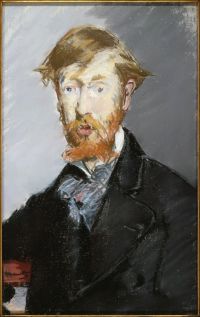
George Moore
Summary

Published in 1894, Esther Waters by George Moore is a naturalistic novel portraying the struggles of its titular protagonist, a working-class woman in Victorian England, who faces societal disapproval, poverty, and the challenges of single motherhood after a secret affair and abandonment. Set against the backdrop of horse racing, domestic service, and the strict moral standards of the time, the narrative follows Esther’s resilience as she raises her son Jackie through relentless hardship, moving between survival and brief moments of hope.
Written in a style reminiscent of Émile Zola, the novel highlights themes of social injustice and female endurance, earning praise for its unflinching realism and emotional depth. Moore’s dedication to T. W. Rolleston and the work’s lasting legacy—revised several times and adapted for stage and screen—solidify its status as his most acclaimed novel, a moving exploration of dignity in the face of adversity.
Quotes from Esther Waters (George Moore)
“ I can't argue, Esther.... But I know the truth now, what you always said was the truth. No good comes of money that hasn't been properly earned."He sipped the brandy-and-milk and looked at Jack, who was crying bitterly."You mustn't cry like that, Jack; I want you to listen to me. I've still something on my mind. Your mother, Jack, is the best woman that ever lived. You're too young to understand how good. I didn't know how good for a long time, but I found it all out in time, as you will later, Jack, when you are a man. ”
“ When the candles were lighted, and tea was on the table, Esther sat with the dozing child on her knee, looking into the flickering fire, her mind a reverie, occasionally broken by the homely talk of her companion; and when the baby was laid in his cot she took up her sewing—she was making herself a new dress; or else the great kettle was steaming on the hob, and the women stood over the washing-tubs. On the following evening they worked on either side of the ironing-table, the candle burning brightly and their vague woman's chatter sounding pleasant in the hush of the little cottage. ”
