“ There is no honour in a scamp’s life, credit in being a thief, glory surrounding a rogue, and halo over the life of a vagabond and a tramp. To see a half-naked, full grown-man and his wife, with six or eight children, sitting on the damp ground in rag huts large enough only for a litter of pigs, scratching roasted potatoes out of the dying embers of a coke fire, as thousands are doing to-day, is enough to freeze the blood in one’s veins, make one utter a shriek of horror and despair, and to bring down the wrath of God upon the country that allows such a state of things in her midst. ”
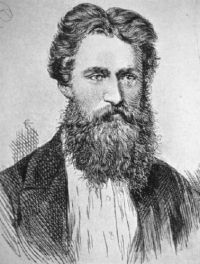
George Smith
Summary
George Smith’s Gipsy Life (1876) presents a sharp ethnographic portrayal of the Romany people, highlighting their marginalized existence in 19th-century Britain and Eastern Europe. Through vivid depictions of filth, destitution, and social neglect, Smith criticizes the harsh circumstances endured by Gipsies in encampments, their dependence on discarded food, and the decline in moral standards he links to their way of life.
The text contrasts their bleak reality with brief instances of natural beauty and human bonds, while promoting education and empathy. Drawing from observations in Hungary and England, Smith’s work emphasizes the need to confront systemic apathy toward this "outcast" community.
Quotes from Gipsy Life (George Smith)
“ The Gipsy in Hungary is a being who has puzzled the wits of the inhabitants for centuries, and the habits of the Hungarian Gipsies are abominable; their hovels, for they do not all live in tents and encampments, are sinks of the vilest poverty and filth; their dress is nothing but rags, and they live on carrion; and it is in this pitiable condition they go singing and dancing to hell. Nothing gives them more pleasure than to be told where a dead pig, horse, or cow may be found, and the Gipsies, young and old, will scamper to fetch it; decomposition rather sharpens their ravenous appetites ”
“ Gipsies like flowers, it is part of their nature. Esmeralda would pluck them, and forming a charming bouquet, interspersed with beautiful wild roses, her first thoughts are to pin them in the button-hole of the Romany Rye (Gipsy gentleman) . As we journeyed quietly through the forest, how delightful its scenes. Free from all care, we enjoy the anticipation of a long and pleasant ramble in Norway’s happy land. We felt contented with all things, and thankful that we should be so permitted to roam with our tents and wild children of nature in keeping the solitudes we sought. ”
